
Optimal Timing for Shower Installations
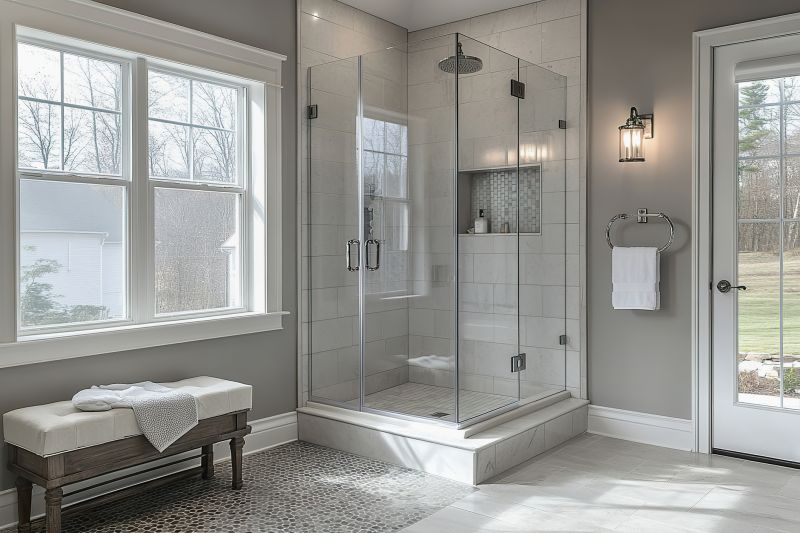
Spring and summer are ideal for shower installations due to favorable weather conditions.
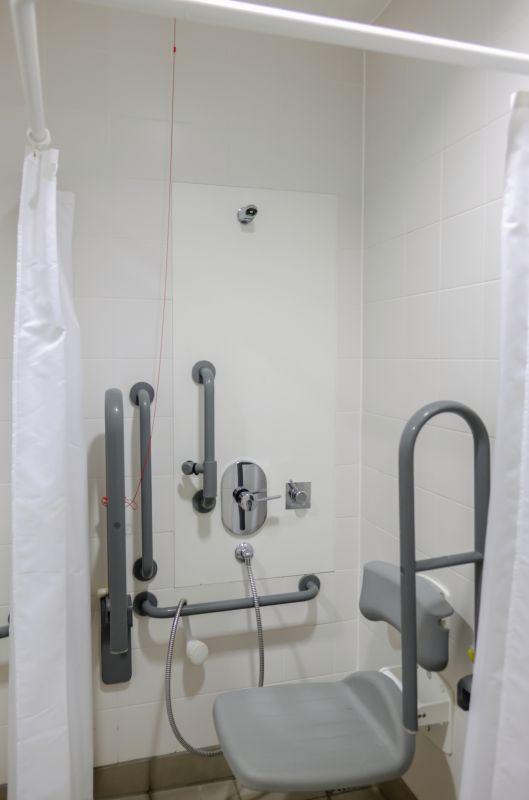
Scheduling during off-peak months can lead to shorter wait times and better availability.
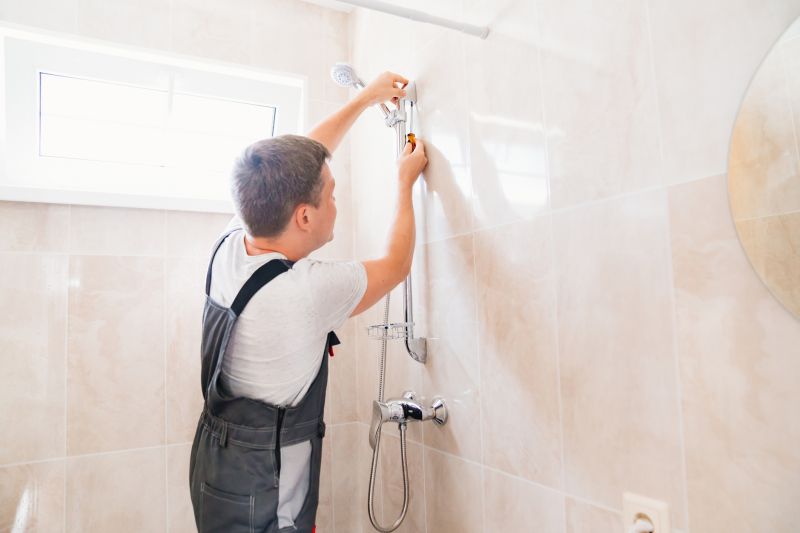
Certain materials may be more available during specific times of the year, influencing installation timing.
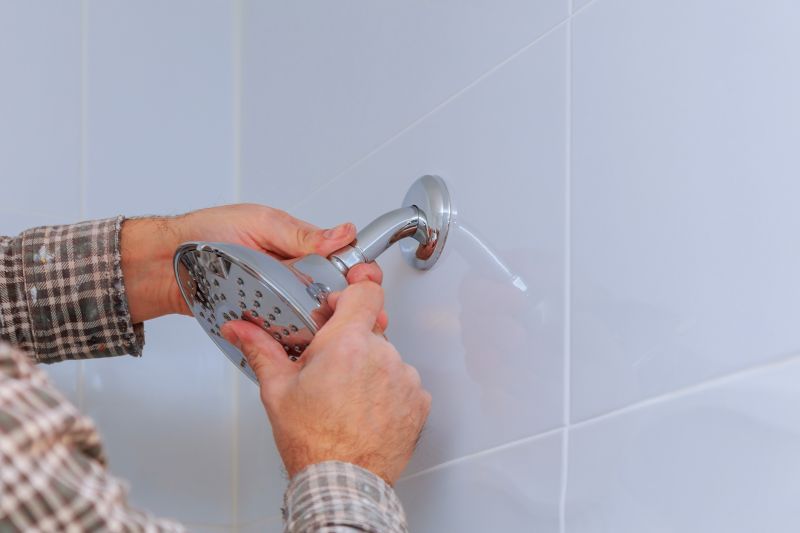
Planning ahead allows for better coordination and completion before high-usage periods.

Contractors often have more open schedules during cooler months, facilitating timely installations.

Late spring and early fall are popular times for home upgrades, including shower installations.
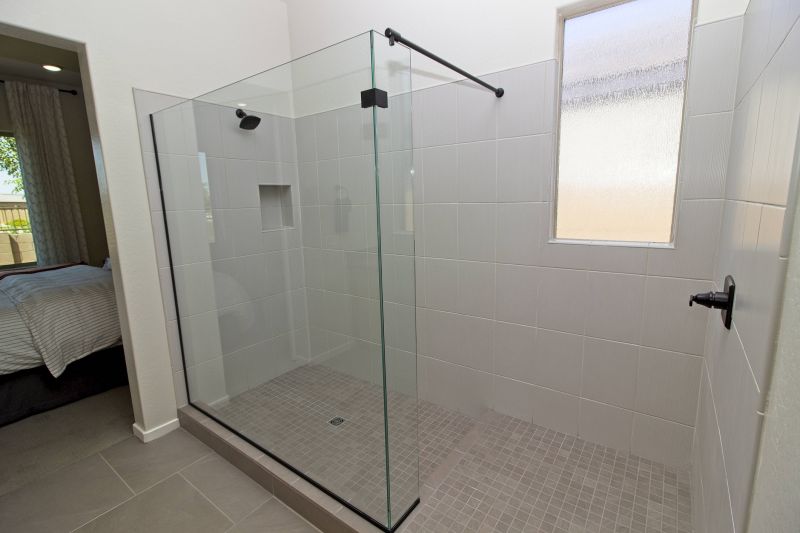
Ways to make Shower Installations work in tight or awkward layouts.
Popular materials for Shower Installations and why they hold up over time.
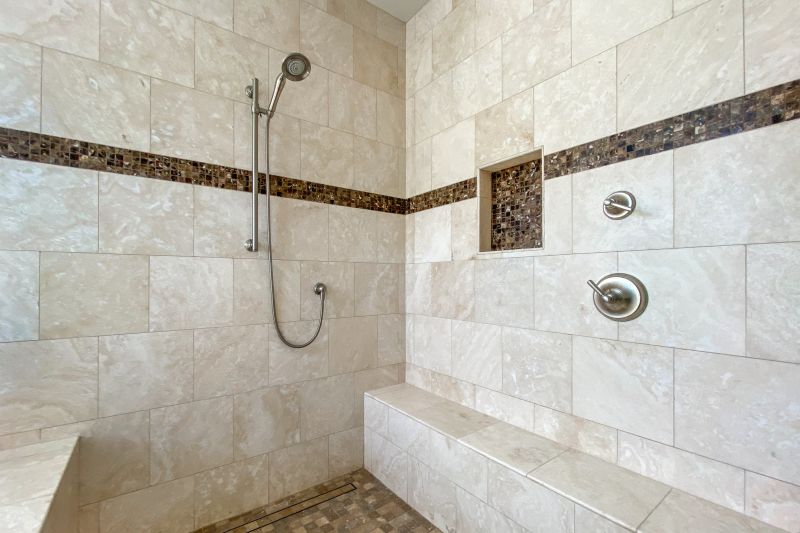
Simple add-ons that improve Shower Installations without blowing the budget.
Shower installations are a common home improvement project that can enhance the functionality and aesthetic appeal of a bathroom. Proper timing ensures a smoother process and optimal results. Installing a shower during favorable weather conditions minimizes delays caused by weather-related issues, especially if the installation involves outdoor or semi-outdoor components.
Statistics indicate that the majority of shower renovations occur during spring and summer, aligning with increased home improvement activity. Planning installations during these periods can also help avoid peak contractor schedules, ensuring timely completion. Additionally, scheduling during off-peak seasons may reduce costs and allow for more personalized service.
Weather, contractor availability, material supply, and personal schedule all play roles in determining the best time for installation.
Timely installation can prevent delays, reduce costs, and ensure the project aligns with personal or seasonal needs.
Assessing project scope, choosing materials early, and coordinating with contractors are key steps for optimal timing.
Homeowners tend to prefer spring and summer for renovations, but off-peak seasons can offer advantages.
| Season | Advantages |
|---|---|
| Spring | Optimal weather, increased contractor availability, and longer daylight hours. |
| Summer | Favorable weather for outdoor work, good material availability, and higher scheduling flexibility. |
| Fall | Less competition for contractors, potential cost savings, and preparation for winter. |
| Winter | Possible discounts, less scheduling competition, but weather may cause delays. |
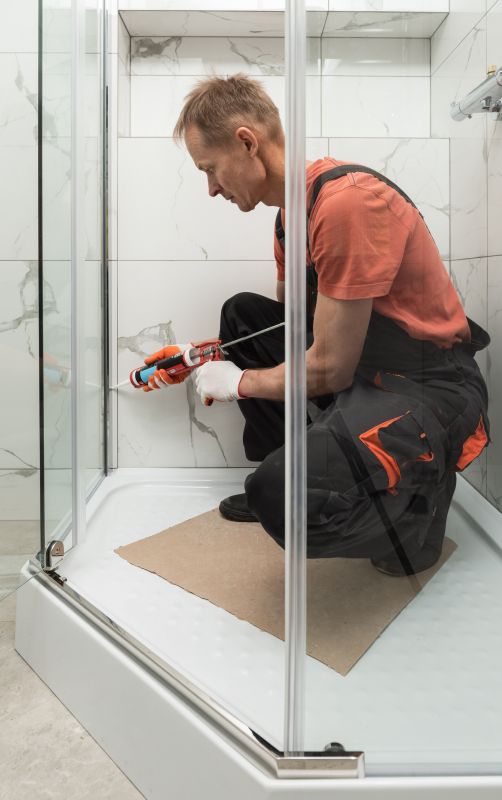
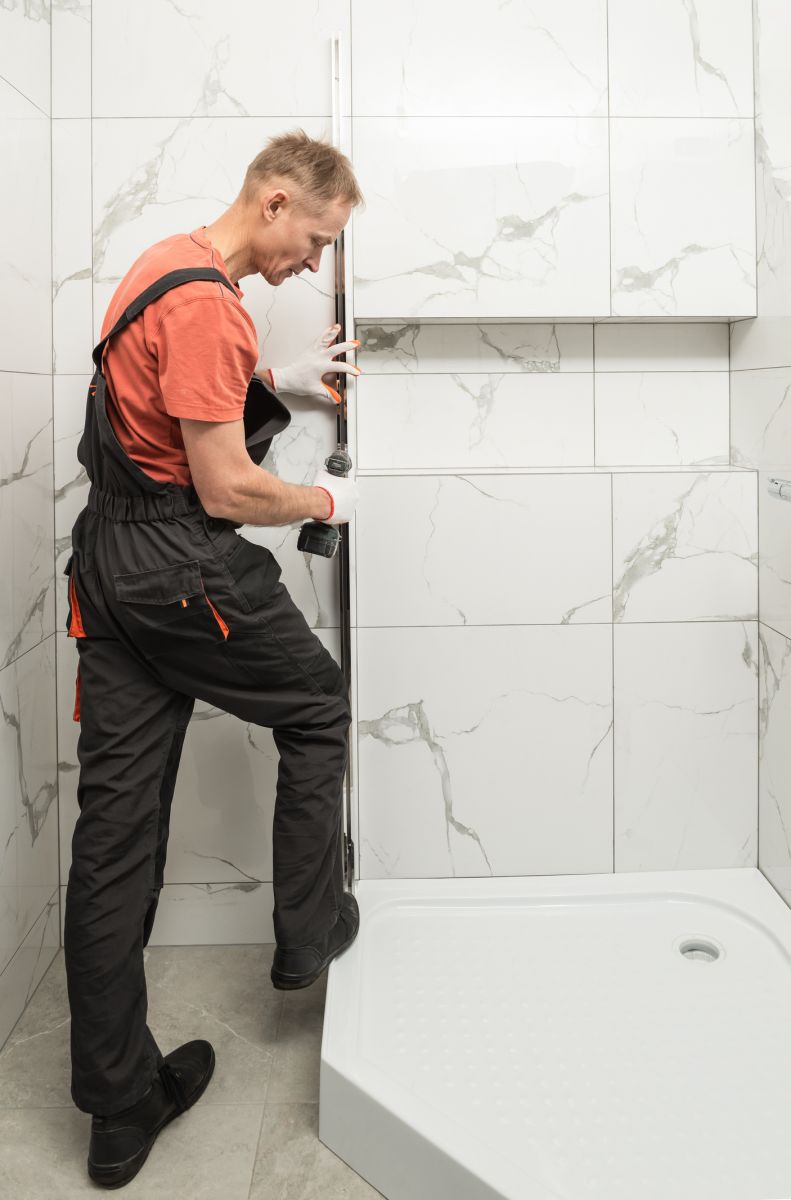
Step-by-step procedures involve planning, material selection, and professional installation.
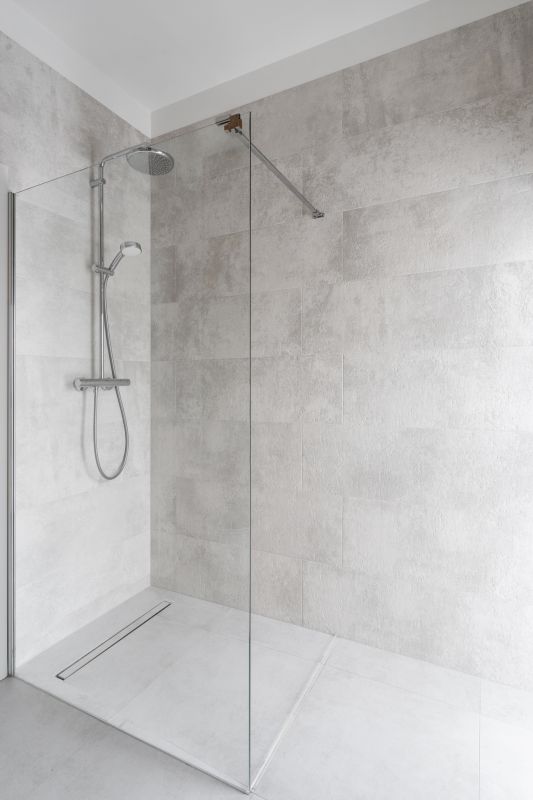
Latest trends include frameless glass enclosures and customizable fixtures.
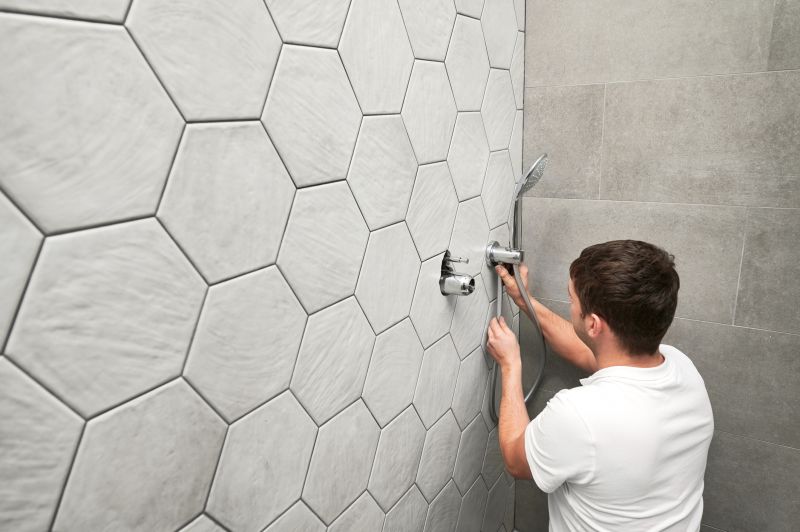
Essential tools include drills, sealants, levelers, and plumbing fittings.
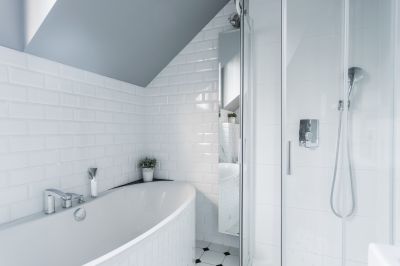
Ceramic tiles, acrylic panels, and tempered glass are frequently used for showers.

Anti-slip flooring, grab bars, and temperature controls enhance safety.
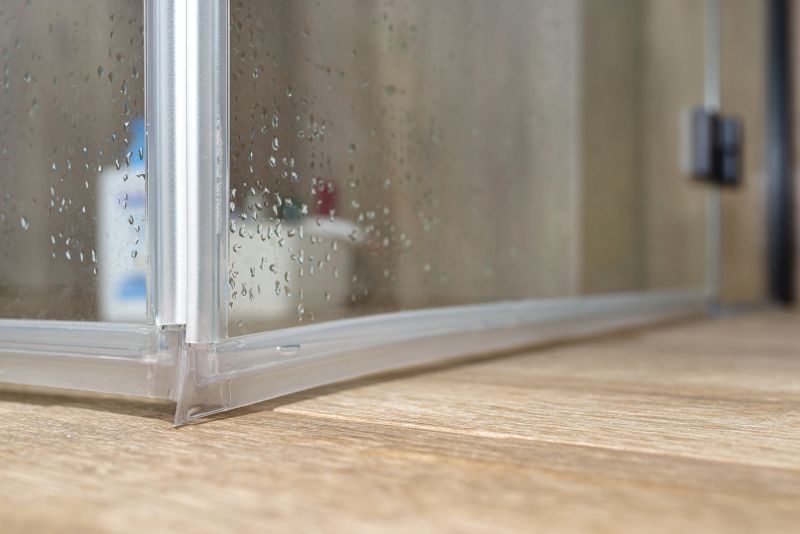
Regular cleaning and sealant application prolong the shower's lifespan.
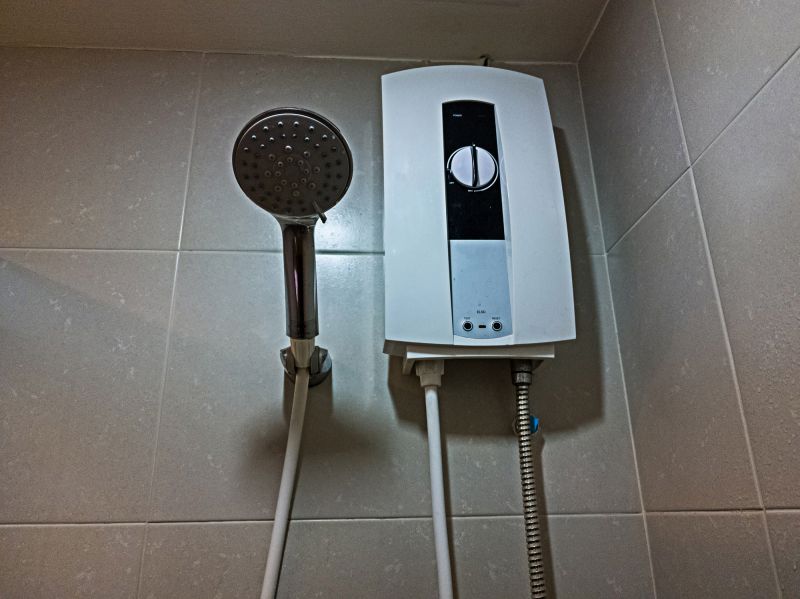
Water-saving fixtures and efficient heating systems reduce utility costs.
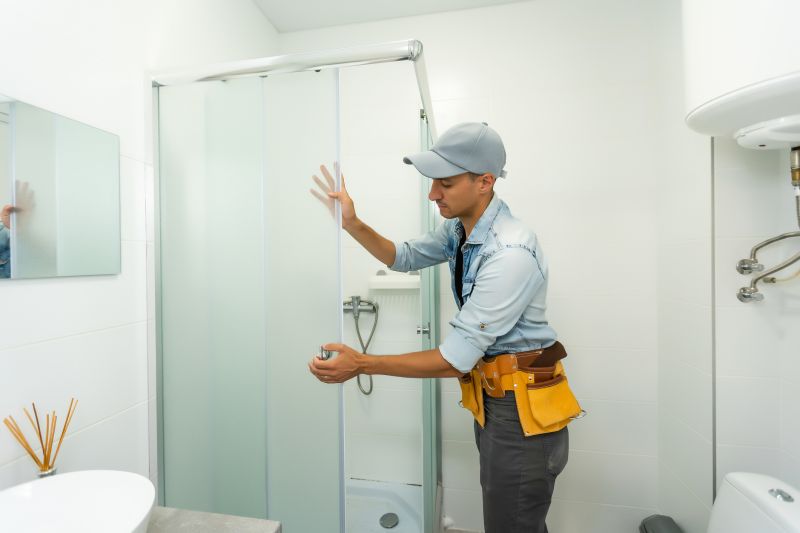
Professional installation ensures proper setup, while DIY may save costs but requires skill.
Choosing the right time for a shower installation can significantly impact the project’s success and longevity. Proper planning and understanding seasonal trends help ensure that the installation proceeds smoothly and aligns with personal schedules and budget considerations.
Interested parties are encouraged to contact for more information or to schedule an installation. Filling out the contact form provides an opportunity to discuss specific needs, available options, and preferred timing for a shower upgrade.